

Why do they say wine is culture? Beyond the glass and the grape
A look at how the fruit of the vine became a witness to and protagonist in human history
We constantly hear the phrase in tastings, books, and conversations: "Wine is not just a drink, it's culture". But where exactly does this statement come from? What differentiates a glass of wine from any other beverage made by humans?
The answer lies in the fact that wine is one of the few human creations where geography, history, science, art, and social coexistence are intertwined. Etymologically, the word "culture" comes from the Latin cultura, which means "cultivation" or "care of the land". In this strict and metaphorical sense, wine is the purest expression of the understanding between humans and nature. For this reason, **buying wine online** is also a way to acquire and celebrate this cultural heritage in the comfort of your home.

The 4 pillars that make wine culture
To understand why wine transcends the category of a simple food or festive drink, simply observe the four fundamental pillars on which it stands and which make each bottle an excellent acquisition for your personal cellar:
1. Witness and common thread of history
From the amphorae of Georgia or Mesopotamia more than 8,000 years ago, through Greek and Roman mythology with Dionysus and Bacchus, to the monastic missions that preserved vineyards in medieval Europe and brought them to America. Wine has been a currency of exchange, a liturgical vehicle, a driver of trade routes, and a muse for poets and painters throughout the ages.
In this vein, we invite you to **buy historical labels** in our selection of Buy Armenian Wines →.

2. The concept of Terroir: Bottled landscape
Wine faithfully reflects the place it comes from. The climate, altitude, type of soil (limestone, shale, granite), and traditional decisions of local farmers are etched into the bottle. A sip of wine is a lesson in living geography that tells how a community has learned to interpret its environment.
Discover and order online our collection of Buy French Wines →, the creators of terroir.

3. Rituals, after-dinner conversation, and social language
Wine encourages a pause. Unlike other beverages designed for quick consumption, wine demands time: it requires uncorking, serving at a certain temperature, smelling, tasting, and conversing. It is the nerve center of after-dinner conversation, that cultural space where bonds of friendship, family, and community are strengthened.
If we're talking about rituals, Buying Italian Wines → at the best price is perfect for that idea.

4. Gastronomy and local identity
In the wine regions of the world, food and wine evolved together. Traditional dishes of an area are organically designed to pair with the wines from its slopes. Understanding wine is understanding regional cuisine and the way of life of its people.
Of course, the options for Buying Mexican Wines → and Buying Spanish Wines → couldn't be missing from your cart.
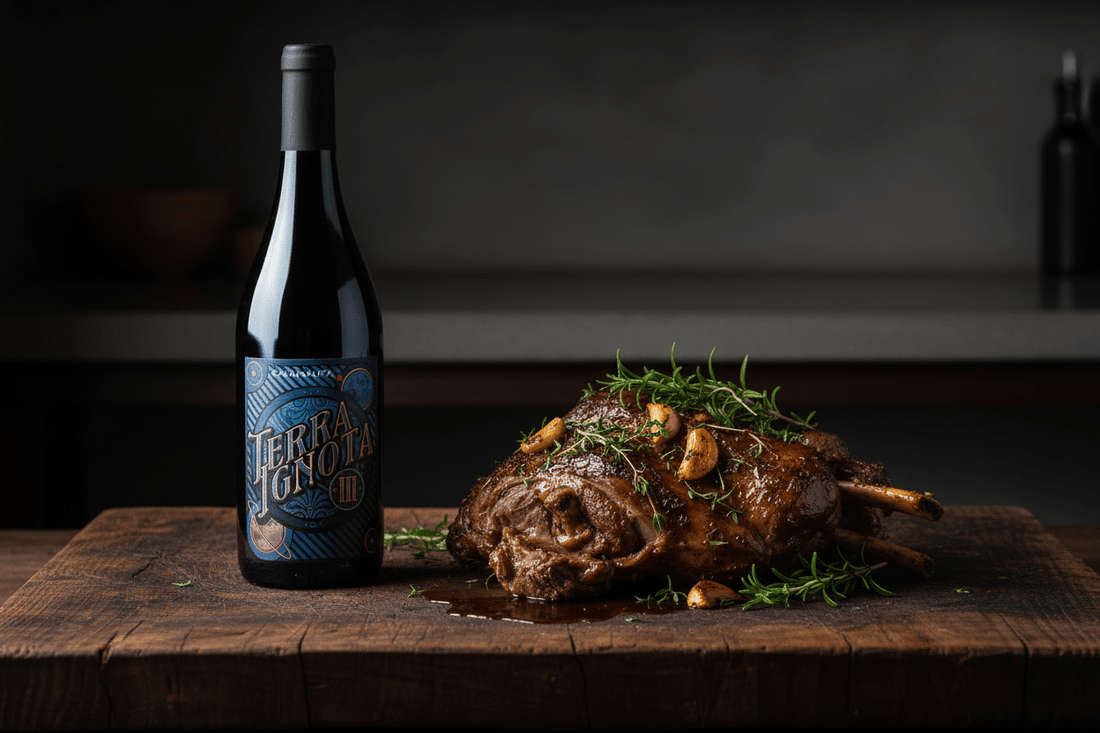
Learning about wine is learning to see the world
You don't need to be an expert sommelier or master complex technicalities to appreciate the cultural dimension of wine. Simply approach each glass with curiosity: ask yourself where that bottle comes from, who cultivated those grapes, and what climatic conditions shaped that year's harvest.
By uncorking a bottle, we connect with an uninterrupted chain of human effort spanning centuries.
"Wine is the only work of art that can be drunk."
Discover and buy bottled stories at La Cava Shop
At La Cava Shop, we select wines that stand out for their authenticity, respect for origin, and narrative richness. We are passionate about bringing you labels with their own identity that turn every toast into a cultural and knowledge experience, ready to order online with fast home delivery.
Explore our catalog, choose your next bottle at the best price, and be part of this millennia-old tradition.
Ready to explore and buy the story behind each bottle?
Purchase your favorite labels online and receive the history of wine directly at your doorstep.
Buy Wines with History at La Cava Shop


